Category: Saving Money

How to Watch TV Without Cable in 2025: A Comprehensive Guide

In 2025, saying goodbye to traditional cable TV doesn’t mean you have to give up watching your favorite shows and movies. The landscape of television consumption has dramatically shifted towards streaming, offering a multitude of options that cater to every taste and budget. Whether you’re a sports fanatic, a news junkie, or a binge-watcher of series and films, there’s a solution out there for you. In this comprehensive guide, we’ll explore the various ways you can enjoy TV without the hefty cable subscription, detailing each option along with associated costs.

1. Streaming Services

Streaming services are the frontrunners in the post-cable TV era, offering extensive libraries of TV shows, movies, documentaries, and exclusive content. Here are some of the top players:

a. Netflix

  • Cost: Plans range from $9.99 to $19.99 per month.
  • Offerings: Wide variety of movies, TV shows, documentaries, and an increasing number of exclusive titles known as Netflix Originals.
  • Device Compatibility: Available on virtually any internet-connected device.

b. Amazon Prime Video

  • Cost: Included with Amazon Prime membership at $139 per year or $14.99 per month.
  • Offerings: Includes movies, TV shows, and Amazon Originals. Prime membership also offers additional benefits like free shipping, music streaming, and more.
  • Device Compatibility: Can be streamed on various devices including smart TVs, smartphones, tablets, and game consoles.

c. Hulu

  • Cost: Ranges from $7.99 per month for the basic plan with ads to $14.99 per month for the ad-free version.
  • Offerings: Strong selection of current TV shows from major networks, available a day or week after airing, plus original programming.
  • Device Compatibility: Supports a wide range of devices similar to other streaming services.

d. Disney+

  • Cost: $7.99 per month or $79.99 per year.
  • Offerings: Focuses on films and TV shows from Disney, Pixar, Marvel, Star Wars, and National Geographic.
  • Device Compatibility: Available on tablets, smartphones, smart TVs, and PCs.

e. HBO Max

  • Cost: $14.99 per month.
  • Offerings: Includes all HBO content, plus additional movies, shows from networks like Warner Bros, New Line Cinema, DC, CNN, TNT, TBS, truTV, Cartoon Network, and more.
  • Device Compatibility: Available across many platforms, including desktop, mobile devices, and smart TVs.

2. Live TV Streaming Services

For those who want to replicate the cable experience without the contract, live TV streaming services offer a great alternative:

a. YouTube TV

  • Cost: $64.99 per month.
  • Offerings: Offers over 85 channels of sports, news, and entertainment, local network broadcasts, and a cloud DVR with no storage limits.
  • Device Compatibility: Streams on phones, tablets, computers, and TVs via media players.

b. Hulu + Live TV

  • Cost: Starts at $69.99 per month, which also includes access to the Hulu on-demand library.
  • Offerings: Features over 75 channels, live and on-demand TV, from local channels to cable essentials like ESPN, CNN, and FX.
  • Device Compatibility: Compatible with iOS, Android, Apple TV, Fire TV, and more.

c. Sling TV

  • Cost: Plans start at $35 per month.
  • Offerings: Customizable channel lineup with options for ESPN, CNN, AMC, and more, depending on the package.
  • Device Compatibility: Available on most streaming devices, including mobile, tablets, and smart TVs.

d. Philo

  • Cost: $25 per month.
  • Offerings: Focuses on entertainment channels like AMC, A&E, MTV, and Nickelodeon, with over 60 channels available.
  • Device Compatibility: Streams on Roku, Apple TV, Amazon Fire TV, and Android TV.

3. Free Streaming Services

For those on a tight budget, free streaming services can be a viable option:

a. Pluto TV

  • Cost: Free.
  • Offerings: Offers a mix of live and on-demand content, with channels structured similarly to cable TV.
  • Device Compatibility: Available on most streaming devices including smartphones and smart TVs.

b. Tubi

  • Cost: Free.
  • Offerings: Hosts a large selection of movies and TV shows with commercial breaks.
  • Device Compatibility: Can be accessed on most smart TVs, streaming devices, and mobile devices.

c. Crackle

  • Cost: Free.
  • Offerings: Offers a variety of movies, TV shows, and original programming, supported by ads.
  • Device Compatibility: Available on all major streaming platforms.

d. IMDb TV

  • Cost: Free.
  • Offerings: Provides a range of movies, TV shows, and a few original series with ad support.
  • Device Compatibility: Available on Amazon Fire devices, smart TVs, streaming media players, and mobile devices.

e. Peacock Free

  • Cost: Free.
  • Offerings: Offers a limited selection of movies, classic shows, and original programming. Peacock also includes some live sports and popular NBC shows a week after they air.
  • Device Compatibility: Works on computers, mobile devices, tablets, smart TVs, and gaming consoles.

f. The Roku Channel

  • Cost: Free.
  • Offerings: Features live and on-demand movies, TV shows, and news updates, along with children’s programming. The service includes content licensed from studios and also original content produced by Roku.
  • Device Compatibility: Available on Roku streaming devices, the web, and as an app on select smart TVs and mobile devices.

g. Xumo

  • Cost: Free.
  • Offerings: Delivers live and on-demand streaming with a focus on news, sports, and entertainment. Xumo curates its content from different sources and offers a cable-like experience with channels and guide-based navigation.
  • Device Compatibility: Compatible with iOS, Android, smart TVs, and streaming devices.

h. Plex

  • Cost: Free; offers optional premium subscriptions.
  • Offerings: Beyond organizing your personal media collections, Plex provides free access to thousands of movies and TV shows across genres. The platform has also added live TV features with over 80 channels.
  • Device Compatibility: Available on a wide range of devices including PCs, smartphones, tablets, smart TVs, and more.

i. Kanopy

  • Cost: Free with a library card or university login.
  • Offerings: Known for its collection of critically acclaimed films, documentaries, and educational content. Kanopy is an ad-free experience that partners with libraries and universities to provide high-quality content.
  • Device Compatibility: Streams on mobile devices, tablets, PCs, and smart TVs.

j. PBS Video App

  • Cost: Free.
  • Offerings: Offers free access to a wide range of PBS content, including popular series like “Frontline,” “Nova,” and “Masterpiece.” Viewers can watch national and local shows after they air.
  • Device Compatibility: Available on iOS, Android, Amazon Fire TV, Roku, and smart TVs.

k. Crunchyroll

  • Cost: Free with ads; premium subscriptions available.
  • Offerings: Specializes in Japanese anime and dramas. It is a go-to platform for anime enthusiasts looking to stream shows just hours after they air in Japan.
  • Device Compatibility: Compatible with most devices, including game consoles, streaming devices, mobile phones, and tablets.

l. NewsON

  • Cost: Free.
  • Offerings: Provides live and on-demand local newscasts from over 275 local news stations across the United States.
  • Device Compatibility: Available on iOS, Android, Roku, and via the web.

m. Stirr

  • Cost: Free.
  • Offerings: An ad-supported streaming service that offers live local news, TV shows, movies, sports, and lifestyle content.
  • Device Compatibility: Accessible on iOS, Android, Amazon Fire TV, Apple TV, and Roku devices.

These additional free options further expand your choices for accessing a wide variety of content without a monthly fee. With these platforms, you can enjoy everything from local news and live sports to premier movies and specialized content like anime, all supported by ads but at no additional cost to you. This broad selection ensures that viewers can tailor their entertainment options to their interests while managing their budgets effectively.

4. Digital Antennas

For those who prefer traditional broadcasting, a digital antenna is an excellent way to access high-definition TV over the air, completely free.

  • Cost: One-time purchase of the antenna, typically between $20 and $50.
  • Offerings: Access to local channels such as ABC, CBS, NBC, and Fox, depending on location.
  • Device Compatibility: Connects directly to your TV.

5. Combining Services

Many viewers choose to combine services to tailor their viewing experience to their specific needs. For example, subscribing to Netflix for movies and series, Hulu for next-day access to network shows, and an occasional month of HBO Max for premium content can provide a comprehensive viewing package.

Conclusion

In 2025, the options for watching TV without cable are more varied and accessible than ever. Whether you’re interested in catching up on the latest series, watching live sports, or just keeping up with the news, there’s a solution tailored to meet your needs and budget. By understanding the available services, you can make an informed decision that maximizes your entertainment value without the need for a traditional cable subscription.

How to Take Care of Your Pet on a Budget

Comprehensive Guide to Budget-Friendly Pet Care

Owning a pet is a rewarding experience, but it can also be quite costly. Understanding and managing the costs effectively can ensure your pet lives a happy, healthy life without breaking the bank. Here’s an in-depth guide to caring for a pet on a budget, complete with tips and strategies to save money.

Understanding Pet Costs

Initial Costs

The initial purchase or adoption fee for a pet varies widely based on the breed, age, and where you acquire them. Puppies and kittens generally cost more than adult dogs and cats due to their popularity and the additional vaccinations they need early on.

Ongoing Expenses

Owning a pet involves various ongoing expenses such as food, toys, grooming, and health care. These costs can add up quickly, especially as your pet ages or if they have special needs.

Veterinary Care

Regular veterinary care is crucial. An annual check-up is essential for maintaining your pet’s health and can help catch issues early, potentially saving you money on expensive treatments later. This includes vaccinations, dental care, and routine screenings.

Cost-Saving Strategies

Research Before Buying

Before bringing a pet home, research the breed’s specific needs and common health issues. This can help you prepare for any potential costs.

Spay or Neuter Your Pet

Getting your pet spayed or neutered can prevent health issues and unwanted litters, which can be costly.

Choose Quality, Affordable Pet Food

Invest in high-quality pet food that fits your budget. This can reduce health problems and vet visits down the line.

Preventative Health Care

Stay proactive with preventative care. Regular dental cleanings, flea and tick prevention, and heartworm medication are essential and can prevent more severe health issues.

Use Low-Cost Vet Services

Look for low-cost services offered by local shelters or humane societies. Many offer discounted rates on vaccinations and spay/neuter services.

Pet Insurance

Consider purchasing pet insurance to cover unexpected medical expenses. Compare plans and choose one that fits your budget and your pet’s needs.

Home Grooming

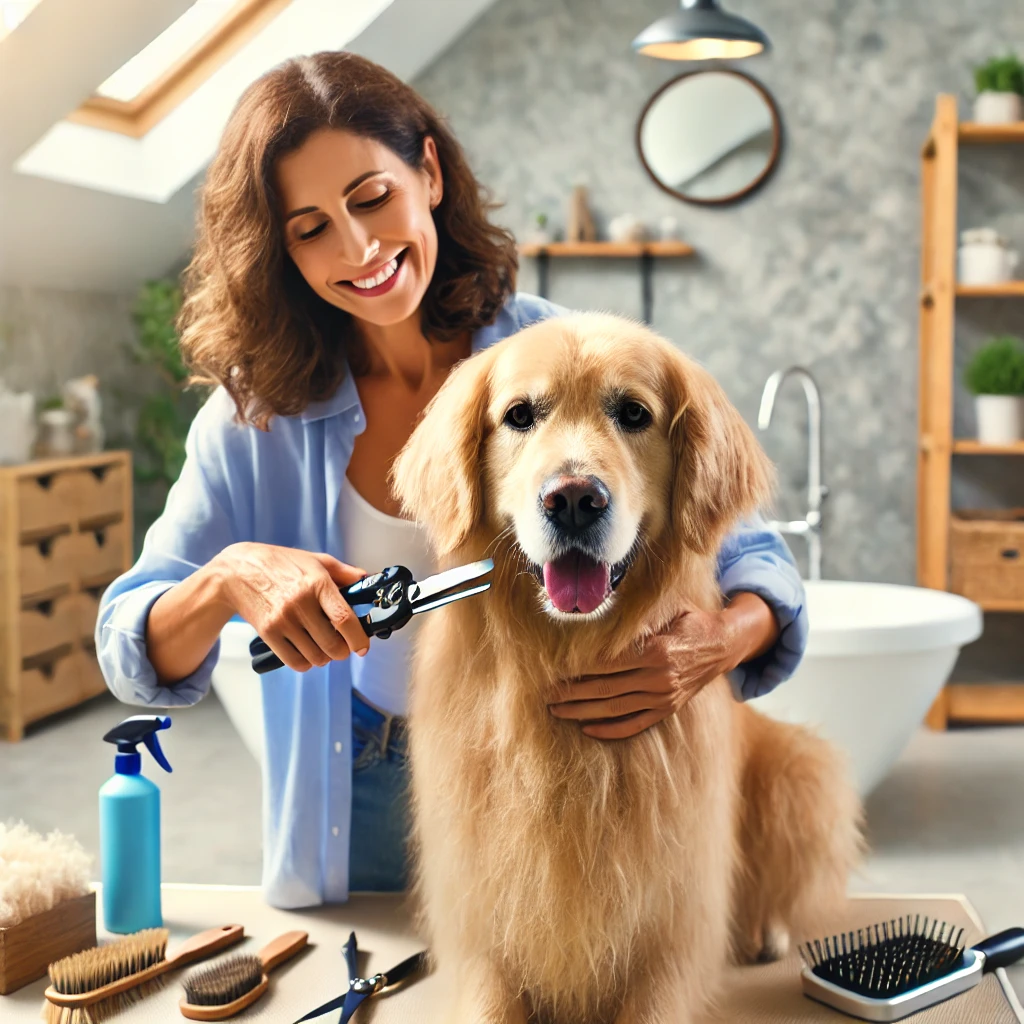
Learn to groom your pet at home to save on professional grooming costs. YouTube and other online resources offer tutorials on how to safely groom different breeds.

Buy Meds Online

Purchase medications online or from discount pharmacies to save on prescriptions. Websites like 1800PetMeds often offer significant savings on routine medication.

I used to take my dog to a professional groomer until an unfortunate incident led to an expensive vet visit. Now, I groom him at home, ensuring his safety and saving money. Additionally, setting aside money for pet care has helped me manage unexpected expenses, like when my dog needed surgery after an altercation with another dog.


Additional Tips

  • Create a Pet Budget: Keep track of all pet-related expenses to help manage your finances better.
  • Emergency Fund: Set aside a small amount regularly into a pet emergency fund.
  • Adopt, Don’t Shop: Consider adopting a pet from a shelter to save on initial costs and give a home to a pet in need.

By adopting these strategies, you can enjoy the companionship of your pet without it becoming a financial burden.

Keep Your Grocery Budget Under Control

Managing your grocery budget can be one of the most effective ways to cut down on your monthly expenses. Unlike fixed costs such as your mortgage or car payments, the amount you spend on groceries is flexible. Here’s how you can take control and potentially save hundreds each year.

1. Establish a Grocery Budget

Track Your Spending: Begin by monitoring your grocery expenditures over a few weeks to understand your spending habits. This tracking will serve as the foundation for setting a realistic weekly or monthly budget.

Set a Budget: Based on your tracking, establish a grocery budget. Commit to this amount and ensure you do not exceed it when you shop.

Challenge Yourself: Once you’re comfortable with your budget, try reducing it incrementally—start with $20 per month. The goal is to find the lowest sustainable amount you can spend without feeling deprived.

2. Maintain a Price Book

Understand Pricing: Store promotions might seem attractive, but are they really saving you money? Maintain a price book—a small notebook or a digital document on your phone—detailing the usual prices of items you frequently purchase.

Compare and Save: Use your price book to compare deals in weekly flyers and determine if special offers are genuinely worthwhile. This preparation can prevent unnecessary trips and impulse buys.

3. Embrace Frugal Cooking

Creative Meals: Incorporate inexpensive meals that your family enjoys into your routine. Dishes like rice and beans, large pots of soup, or chili are nutritious and cost-effective. Consider using meat sparingly or opting for meatless meals to further reduce costs.

Use Leftovers: Make a habit of using all leftovers, perhaps by designating certain days to finish off what’s in the fridge. This practice not only saves money but also reduces food waste.

4. Eliminate Unnecessary Extras

Plan Your Purchases: Always shop with a list to avoid impulse buys. Extras such as gourmet bakery items or checkout aisle snacks can significantly inflate your grocery bill.

Stick to the List: By adhering strictly to your list, you’ll find that many non-essential purchases are easier to skip, which can lead to substantial savings over time.

5. Reap the Benefits

Allocate Savings: With the money you save, consider funding enjoyable activities, paying down debt, or enhancing your financial security. Whether it’s a vacation, reducing credit card balances, or building an emergency fund, the extra cash can help you achieve your financial goals more quickly.

By implementing these strategies, you’ll not only keep your grocery spending in check but also enjoy the benefits of a more disciplined and thoughtful approach to shopping. Start today and watch your savings grow, one shopping trip at a time.

10 Easy DIY Christmas Gift Crafts: Homemade Holiday Presents on a Budget

The holiday season is a perfect time to showcase your creativity and give something unique and personal. Handmade gifts often carry more meaning and can be a delightful surprise for loved ones. If you’re interested in making your own Christmas gifts this year, here are several craft ideas that are budget-friendly and suitable for beginner to intermediate crafters. Each project includes step-by-step instructions, a list of materials needed, and descriptions to help you visualize the final product.

10 Easy DIY Christmas Gift Crafts: Homemade Holiday Presents on a Budget

To keep costs low, use items you can find around the house and compare prices on sites such as Amazon, Michaels – even thrift stores.

1. Hand-Painted Mugs

Hand painted mug

Materials Needed:

Instructions:

  1. Start by cleaning your mugs thoroughly to remove any grease or dust.
  2. Use painter’s tape to create designs or block off areas that you don’t want to paint.
  3. Draw or paint your design on the mug using the porcelain paint or markers. If you make a mistake, quickly wipe it off with a damp cloth and try again.
  4. Allow the paint to dry for 24 hours.
  5. Remove any painter’s tape you used.
  6. Place the mugs in a cold oven, set it to 350°F (175°C), and bake for about 30 minutes to set the paint. Turn off the oven and let the mugs cool down inside.
  7. Your hand-painted mugs are now ready to gift!

Skill Level: Beginner

2. Custom Beaded Bracelets

Create a custom beaded bracelet for that special person in your life.

Materials Needed:

  • Elastic cord
  • Beads (choose various colors and sizes according to preference)
  • Scissors
  • Super glue or a bead to secure the knot

Instructions:

  1. Measure and cut the elastic cord to the desired length, adding a few extra inches to make tying easier.
  2. Start stringing beads onto the cord, creating patterns with different colors and sizes.
  3. Once you’ve reached the desired length, tie the ends together with a strong knot. Add a drop of super glue or thread the knot through a larger bead to secure it.
  4. Trim any excess cord.

Skill Level: Beginner to Intermediate

3. Scented Candles

Scented candles for Christmas gifts.

Materials Needed:

Instructions:

  1. Melt the soy wax flakes using a double boiler or in a microwave-safe bowl.
  2. While the wax is melting, prepare your containers by placing the wick in the center. You may need to secure the wick with a bit of melted wax or by tying it to a pencil laid across the top of the container.
  3. Once the wax is melted, remove it from heat, and stir in your fragrance oil—about 10 drops per pound of wax.
  4. Pour the wax into your prepared containers, making sure the wick stays centered.
  5. Allow the wax to cool and harden for several hours.
  6. Trim the wick to about half an inch above the wax, and your candles are ready to gift.

Skill Level: Intermediate

4. Holiday-Themed Coasters

Holiday coasters for gifts

Materials Needed:

Instructions:

  1. Clean the tiles thoroughly and dry them.
  2. Paint your holiday designs directly onto the tiles. Popular designs include snowflakes, Christmas trees, or even simple geometric patterns in holiday colors.
  3. Let the paint dry completely.
  4. Apply a coat of Mod Podge or another sealant to protect the design.
  5. Cut felt or cork to fit the bottom of each tile and glue it on to prevent scratching surfaces.
  6. Once everything is dry, your coasters are ready to be wrapped up and given as gifts.

Skill Level: Beginner to Intermediate

5. Knitted Scarves

Knitted scarves for Christmas

Materials Needed:

  • Knitting needles (size recommended for your yarn)
  • Yarn (wool or acrylic, depending on your preference)
  • Scissors
  • Yarn needle

Instructions:

  1. Choose a simple knitting pattern, such as a garter stitch (knitting every row) or a ribbed pattern (alternating knit and purl stitches).
  2. Cast on enough stitches to achieve the desired width of your scarf.
  3. Continue knitting in your chosen pattern until the scarf reaches your preferred length.
  4. Cast off and weave in any loose ends with a yarn needle.
  5. Optionally, add fringe to the ends by cutting several strands of yarn and knotting them through the scarf ends.

Skill Level: Intermediate

6. Felt Christmas Ornaments

felted Christmas ornaments to make for presents

Materials Needed:

Instructions:

  1. Cut out your desired shapes from the felt sheets. You can make traditional shapes like stars, Christmas trees, or snowmen.
  2. Using two pieces of the same shape, begin stitching around the edges with the embroidery floss, leaving a small opening.
  3. If you choose, stuff a little padding into your shape to give it a 3D effect before completing the stitching.
  4. Attach a loop of ribbon or twine at the top for hanging.
  5. These ornaments can be further decorated with additional pieces of felt, beads, or even buttons.

Skill Level: Beginner

7. Decorative Soap

Make decorative soaps at home and gift for Christmas as a budget friendly present

Materials Needed:

Instructions:

  1. Cut the glycerin soap base into small chunks and melt them slowly using a microwave or a double boiler.
  2. Once melted, add a few drops of essential oil and soap dye if desired, and stir thoroughly.
  3. Pour the melted soap into molds. You can add dried herbs or flower petals for decoration before it sets.
  4. Let the soap cool and harden for several hours, then gently pop them out of the molds.
  5. Wrap them beautifully to give as personalized and useful gifts.

Skill Level: Beginner

8. Homemade Potpourri

Give a gift that will make the whole house smell great

Materials Needed:

  • Dried flowers and herbs
  • Essential oils
  • Citrus peels (dried)
  • Cinnamon sticks, cloves, and other spices
  • Decorative bowl or clear gift bags

Instructions:

  1. Mix dried flowers, herbs, and citrus peels in a large bowl. Choose combinations that not only look good together but also have a pleasant scent.
  2. Add a few drops of essential oils to enhance the fragrance. Mix gently.
  3. Incorporate spices like cinnamon sticks and cloves for a holiday touch.
  4. Package the potpourri in decorative bowls or clear gift bags tied with a ribbon.

Skill Level: Beginner

9. Clay Jewelry Dish

clay jewelry dish

Materials Needed:

Instructions:

  1. Warm the clay in your hands and then roll it out to an even thickness.
  2. Use a knife or cookie cutters to cut out your desired shape, such as a circle or heart.
  3. Gently press the edges to create a shallow bowl shape.
  4. Bake the clay according to the package instructions, usually at around 275°F (135°C) for about 15 minutes per 1/4 inch thickness.
  5. Once cooled, you can paint the dish or add varnish for a glossy finish.
  6. These small dishes are perfect for holding rings, earrings, or keys and make a lovely personalized gift.

Skill Level: Beginner to Intermediate

10. Fabric Tote Bags

Gifting fabric tote bags for Christmas gifts is a great gift idea, especially when you make them yourself.

Materials Needed:

  • Fabric (cotton or canvas recommended) or tote bag
  • Sewing machine or needle and thread
  • Fabric scissors
  • Pins
  • Ribbon or webbing for handles

Instructions:

  1. Cut two pieces of fabric into the desired size of your bag.
  2. Place the right sides of the fabric together and pin around the edges.
  3. Sew around the sides and bottom, leaving the top open.
  4. Turn the bag right side out.
  5. Hem the top of the bag for a neat finish.
  6. Sew the ribbon or webbing to each side of the bag to create handles.
  7. Optional: Add pockets inside or outside for more functionality.

Skill Level: Intermediate

These crafts offer a range of styles and functionalities, ensuring that you can find something suitable for everyone on your gift list. Plus, they are not only budget-friendly but also a great way to add a personal touch to your holiday giving.

Conclusion

Creating handmade gifts is not only a thoughtful way to show you care, but it also allows you to personalize each present to suit the recipient’s taste. The above crafts range from simple mugs to more elaborate knitted scarves, catering to various skill levels and interests. By choosing projects that you can enjoy making, you’ll add a personal touch to your holiday gifts that store-bought items simply cannot replicate.

Affiliate Disclaimer: Please note that some of the links on this blog are affiliate links, which means that if you choose to make a purchase through these links, I might earn a small commission at no extra cost to you. I recommend these products because they are helpful and useful, not because of the small commissions I make if you decide to buy something. Thank you for supporting my blog and helping it continue to provide valuable content.

Budget Pet Care 101: Affordable Ways to Keep Your Pet Happy & Healthy

Owning a pet is rewarding but comes with costs. Budget-conscious pet owners look for ways to save without hurting their pets. This guide offers practical tips to help you save money while keeping your pet happy and healthy.

Key Takeaways

  • Prioritize essential pet needs over wants to create a realistic budget
  • Explore affordable pet food options and DIY grooming techniques
  • Leverage preventive care and consider pet insurance to save on veterinary costs
  • Utilize community resources and adopt from rescue organizations for budget-friendly pet ownership
  • Incorporate pet-friendly housing into your overall budget planning


Budget pet care tips

Essentials for Frugal Pet Ownership

Being a responsible pet owner means knowing the difference between needs and wants for your pet. It’s important to focus on the essential care for your pet without spending too much. By making a pet budget, you can manage your money better and avoid wasting it.

Prioritizing Needs vs. Wants

First, make sure your pet has the basics like good food, vet visits, and grooming. These are key for their health. Then, think about what’s extra, like fancy toys or special grooming. Knowing the difference helps you save money and give your pet what they really need.

Creating a Pet Budget Planner

A pet budget planner is a great way to manage pet costs. Start by listing all the must-haves like food, vet visits, and basic grooming. Then, set aside a part of your monthly budget for each one. This way, you can plan for expenses and avoid surprises.

Essential Pet Care Expenses Average Monthly Cost
High-Quality Pet Food $30 – $50
Routine Veterinary Visits $20 – $50
Preventive Medication $10 – $20
Basic Grooming $10 – $30

By focusing on your pet’s needs and making a budget, you can give them the care they need without overspending. This way, you can enjoy your pet’s company while keeping your finances in check.

Affordable Pet Food Options

As pet owners, we all want the best for our furry friends. But we don’t have to spend a lot to do so. There are many budget-friendly pet food options that save money without losing quality.

One smart way to save is by trying store-brand pet food. Many big pet food stores have their own lines that are both affordable and nutritious. These store-brand foods offer great value and ensure your pets get the nutrients they need.

Another good strategy is to buy pet food in bulk. Stores and online shops often give discounts for big purchases. This way, you save money and make sure your pet always has their favorite food.

Don’t forget to use coupons and join loyalty programs. Many brands and stores offer these deals to help you save. They want to make sure you can afford the best budget-friendly pet food and cost-effective pet nutrition for your pet.

By looking into these affordable options, you can give your pet the budget-friendly pet food and cost-effective pet nutrition they need. And you can do it without spending too much. With a bit of research and smart shopping, you can feed your pet well without breaking the bank.

Saving Money on Veterinary Care

Veterinary costs can quickly add up. But, with a proactive approach, pet owners can cut down on expenses. Focus on preventive care and understand the pros and cons of pet insurance.

Preventive Care and Routine Checkups

Regular checkups and vaccinations can catch health issues early. This prevents more expensive treatments later. By keeping up with your pet’s health, you avoid costly emergencies and complex procedures.

Look for clinics with affordable wellness packages or payment plans. This makes preventive care more affordable.

Pet Insurance Considerations

Pet insurance can be a good investment. But, it’s key to understand the policy details. This includes coverage limits, deductibles, and what’s excluded.

Some pet owners might find the premiums too high. It’s important to research and compare different plans. This helps find the best fit for your pet and budget.

Benefits of Pet Insurance Drawbacks of Pet Insurance
  • Coverage for unexpected illnesses and injuries
  • Potential to save money on costly procedures
  • Peace of mind for pet owners
  • Monthly premiums can be expensive
  • Pre-existing conditions may be excluded
  • Deductibles and coverage limits can limit reimbursement

By focusing on preventive care and evaluating pet insurance, pet owners can reduce veterinary costs. This keeps their pets healthy on a budget. It also helps maximize the benefits of pet insurance while avoiding its drawbacks.

DIY Pet Grooming and Accessories

As pet owners, we all want the best for our furry friends without spending too much. Luckily, there are many ways to groom and accessorize our pets at home without breaking the bank. Let’s dive into DIY pet grooming and making homemade pet toys and treats.

Homemade Pet Toys and Treats

Making your own pet toys and treats is fun and rewarding. It saves money and lets you tailor items to your pet’s likes and needs. Homemade pet toys can be simple, like using old socks or cardboard boxes, or more complex, like interactive puzzles. Homemade pet treats are a healthier option than store-bought ones, and you can pick the ingredients based on your pet’s diet.

  • Repurpose household items to make engaging pet toys
  • Experiment with easy-to-make, nutritious pet treat recipes
  • Customize the toys and treats to suit your pet’s unique personality and preferences

DIY Pet Grooming

You can also save money by grooming your pet at home. DIY pet grooming includes tasks like bathing, brushing, and trimming nails. It’s a great way to bond with your pet. With the right tools and a bit of research, you can keep your pet clean and looking good without professional grooming costs.

  1. Invest in basic pet grooming tools, such as brushes, shampoo, and nail clippers
  2. Learn proper techniques for bathing, brushing, and trimming your pet’s nails
  3. Establish a regular grooming routine to keep your pet looking and feeling their best

By embracing DIY pet grooming and making homemade pet toys and treats, you can pamper your pets without spending a lot. With creativity and effort, you can keep your pets healthy, happy, and well-cared for without financial strain.

Budgeting for Pet-Friendly Housing

Finding affordable, pet-friendly housing can be tough for many pet owners. But, with smart planning and creative ideas, you can save on pet housing costs. Here are some practical tips to help you budget for your furry friend’s home.

Exploring Rental Options for Pet Owners

When looking for a rental, tell the landlord you have a pet. Many landlords are okay with pets but might ask for extra fees or deposits. Look at different rentals and talk about pet fees to find the best deal.

Minimizing the Impact of Pet Fees

Pet fees, like deposits or monthly rent, can add up fast. Ask the landlord if they can lower or waive these fees, especially if your pet is well-behaved and clean. Showing references from previous landlords or pet-sitting services can prove you’re a responsible pet owner.

Considering Alternative Housing Arrangements

Look into other housing options that might be more pet-friendly and cheaper, such as:

  • House-sitting or pet-sitting arrangements
  • Shared living spaces with pet-owning roommates
  • Renting a room in a pet-friendly home

These options can help you save on pet housing costs while keeping your pet happy and comfortable.

By being proactive, negotiating well, and exploring creative housing solutions, pet owners can find ways to budget for pet-friendly housing. This way, you can enjoy having a pet without breaking the bank.

“Owning a pet is a joy, but it’s essential to factor in the housing costs to ensure your furry friend has a comfortable and affordable home.”

Budget pet care

Being a responsible pet owner means finding a balance. We need to give our pets the best care and still watch our budgets. In this section, we’ll look at budget-friendly pet care tips. These can help you enjoy having a pet without spending too much.

One important thing is to focus on what your pet really needs. Instead of buying fancy things, stick to the basics. This includes good budget-friendly pet food, regular vet visits, and simple grooming. This way, you can keep your pet happy and healthy without spending a lot.

Another smart move is to try DIY pet grooming and accessory ideas. Making your own toys and treats can save money. Plus, learning basic grooming skills can also help cut costs.

Also, think about where your pet will live. Look for pet-friendly rental options to save money. By matching your pet’s needs with what you can afford, you can have a happy and budget-friendly pet ownership experience.

Remember, saving money on pets doesn’t mean you’re not caring for them. With a bit of creativity and focusing on the basics, you can have a great pet without breaking the bank.

budget-friendly pet care

“Responsible pet ownership is about finding the perfect balance between providing exceptional care and staying within your financial means.”

Community Resources for Pet Owners

As pet owners, we face financial challenges in caring for our pets. Luckily, many community resources are here to help. These include local pet food banks and assistance programs. They are crucial in supporting pet owners in need.

Local Pet Food Banks and Assistance

Pet food banks are key for those on a tight budget. They collect and give out donated pet food and supplies. This is a big help for owners who can’t afford to feed their pets.

Some pet assistance programs also offer financial help. They cover costs for vet care, grooming, and more. This ensures pets get the care they need, even when money is tight.

Using these community resources helps pet owners care for their pets, even when money is tight. They provide free pet food and help with vet bills. These efforts are truly making a difference in the lives of pets and their owners.

Adopting a Rescue Pet

Adopting a rescue pet is a smart and kind choice for those on a budget. It offers more than just savings. It brings joy and companionship into your life.

By adopting a rescue pet, you give a loving home to an animal in need. You also help animal shelters and rescue groups. These places often have pets for less than buying from a breeder or pet store.

Key Benefits of Adopting a Rescue Pet Potential Cost Savings
  • Providing a loving home for a deserving animal
  • Supporting the mission of animal welfare organizations
  • Potential for pre-trained or socialized pets
  • Reduced risk of genetic or behavioral issues
  • Adoption fees typically lower than breeder/store prices
  • Pets often spayed/neutered and vaccinated, saving on initial medical costs
  • Reduced risk of unexpected veterinary expenses

Rescue pets often come with benefits like pre-training and socialization. This can save you money in the long run. You might avoid costly training or medical issues.

“Adopting a rescue pet is not just a budget-friendly choice, but a truly rewarding one that positively impacts the lives of both the animal and the owner.”

Looking to add a furry friend to your family? Or want a cost-effective pet option? Adopting a rescue pet is a great choice. It brings joy and supports a noble cause.

Conclusion

As we wrap up our look at budget pet care, it’s clear that you can give your pets great care without spending a lot. You can save money by focusing on what’s really important, finding cheap food, and doing DIY grooming. This way, your pets get the love and care they need without costing too much.

From this article, we learned that owning a pet can be rewarding and affordable with some planning and smart choices. Whether you’re just starting or have had pets for a while, these tips can help you be a responsible and budget-friendly pet owner. This ensures your pets get the best care possible.

Remember, the love and companionship of a pet are truly priceless. With the right approach, you can enjoy the benefits of pet ownership without worrying about money. Take the advice from this article to heart and start a journey of affordable pet care. This way, your pets’ happiness, and your wallet can both grow.


How to Plan a Road Trip Without Losing Your Mind (or Cents)

Road trips are one of the best ways to explore new places, make lasting memories, and embark on a spontaneous adventure. But, as exciting as they can be, proper planning is essential to ensure that the journey is not only fun but also safe and cost-effective. Whether you’re driving solo, with friends, or family, taking the time to prepare can make a significant difference in the quality of your trip. In this blog post, we’ll provide you with 10 essential tips on how to have a safe, budget-friendly, and fun road trip.

1. Plan Your Route (But Be Flexible)

The Importance of Route Planning:
One of the first steps in preparing for a road trip is planning your route. Research the destinations you want to visit, the attractions along the way, and any scenic routes that could make the drive more enjoyable. GPS apps like Google Maps or Waze are excellent tools for mapping out your journey and providing real-time traffic updates.

However, while planning is important, you should also leave room for flexibility. Some of the best road trip memories are often unplanned — like discovering a quirky roadside attraction or a beautiful viewpoint you hadn’t known existed. Having a general route in mind will prevent you from getting lost, but leaving room for spontaneity will keep the trip exciting.

Budget Tip:
Use apps like Roadtrippers to map out gas stations, affordable accommodations, and restaurants to stay within your budget. By knowing where cheaper alternatives are, you can avoid costly detours.

2. Perform a Pre-Trip Car Check

Car Maintenance is Non-Negotiable:
Before hitting the road, it’s crucial to ensure that your vehicle is in top shape. A breakdown in the middle of nowhere can turn a dream road trip into a nightmare. Here are some key car maintenance checks to perform before you start:

  • Oil and Fluid Levels: Check the oil, coolant, brake fluid, and windshield washer fluid. Top up or replace as necessary.
  • Tire Condition: Ensure tires have adequate tread and are properly inflated. Don’t forget to check your spare tire, too!
  • Battery and Lights: Test your car’s battery, headlights, brake lights, and turn signals to avoid any unexpected problems.
  • Brakes: If your brakes are squealing or not responding as well as they used to, get them checked by a mechanic.

By taking the time to perform a car check-up, you not only increase the chances of a smooth trip but also avoid costly repairs on the road.

Budget Tip:
Make sure to get your car serviced by a local mechanic before you hit the road. This can save you money versus being forced to seek emergency assistance in unfamiliar and possibly more expensive locations.

3. Pack Smart and Light

Prioritize Essentials:
While it may be tempting to pack everything you own, less is more when it comes to road trips. Focus on the essentials — items you will need every day or in case of an emergency. Overpacking can reduce fuel efficiency, and a cluttered car makes for a less comfortable ride.

Here are some packing essentials:

  • First-Aid Kit: Include band-aids, antiseptics, pain relievers, and any prescription medications. Try this first-aid kit.
  • Car Emergency Kit: Carry jumper cables, a flashlight, extra batteries, a tire repair kit, and a portable phone charger.
  • Comfort Items: Neck pillows, blankets, and reusable water bottles for hydration.
  • Entertainment: Audiobooks, music playlists, or downloaded movies can be lifesavers on long stretches of highway.

Budget Tip:
Buy snacks and drinks in bulk from grocery stores before you start your trip. This is much cheaper than purchasing food at gas stations or touristy rest stops. Keep a small cooler in the car for perishables, and refill water bottles at rest stops.

4. Budget Your Trip and Track Expenses

Set Financial Limits:
To avoid overspending, set a clear budget for your road trip. Identify key areas where you’ll spend money, such as gas, food, accommodation, and attractions. Use budgeting apps like Trail Wallet or Splitwise to track your expenses throughout the journey. This will help you stay on track and avoid any unpleasant surprises at the end of the trip.

Save on Accommodation:
Instead of staying at expensive hotels every night, consider more budget-friendly options like:

  • Camping: Campsites can be fun, adventurous, and affordable. Some public lands even offer free dispersed camping.
  • Hostels or Airbnb: If you’re not a fan of camping, budget-friendly motels or Airbnb rentals can be a cheaper alternative to traditional hotels.
  • Stay with Friends or Family: If your route passes through areas where you have friends or family, ask if you can stay with them for a night or two.

Budget Tip:
To save even more on accommodation, look for deals on booking apps like Hotels.com or Expedia. Many of these platforms offer last-minute discounts or rewards programs that can help you save a few dollars.

5. Be Fuel-Efficient

Save on Gas:
Gas is likely one of the biggest expenses on your road trip. To minimize costs, practice fuel-efficient driving techniques:

  • Maintain a Steady Speed: Avoid rapid acceleration and braking, as it uses more fuel. Cruise control can help maintain a consistent speed on highways.
  • Reduce Drag: Take off any unnecessary rooftop cargo racks or bike mounts to reduce wind resistance.
  • Lighten Your Load: The heavier your car, the more fuel it consumes. By packing light, you’ll improve your gas mileage.
  • Choose Fuel-Efficient Routes: Apps like GasBuddy can help you find the cheapest gas stations along your route. Some loyalty programs, like those offered by certain gas stations, can also save you a few cents per gallon.

Budget Tip:
Plan your gas stops in states or regions where fuel prices are lower. Gas prices can vary dramatically depending on location, so research ahead of time to avoid paying higher prices unnecessarily.

6. Make Safety a Priority

Be Prepared for the Unexpected:
Road trips can be unpredictable, and safety should always be your top priority. Here are some ways to ensure you stay safe on the road:

  • Take Breaks: Driving for long periods can lead to fatigue, which is dangerous. Take breaks every two to three hours to stretch your legs and rest.
  • Share the Driving: If traveling with friends or family, rotate drivers to avoid burnout.
  • Know Emergency Contacts: Keep a list of emergency contacts, including roadside assistance numbers, local hospitals, and your insurance company.
  • Keep Valuables Hidden: Store important items like wallets, electronics, and travel documents out of sight to avoid theft when stopping at rest areas or restaurants.

Safety Tip:
Before your trip, sign up for roadside assistance programs like AAA or check if your car insurance provider offers similar services. This can be a lifesaver if you run into car trouble.

7. Embrace Free and Low-Cost Activities

Find Budget-Friendly Fun:
Just because you’re on a budget doesn’t mean you can’t have fun. Many activities and attractions are free or low-cost. Here are some ways to have a blast without breaking the bank:

  • State and National Parks: Most parks have a small entry fee, but they offer stunning landscapes and plenty of outdoor activities like hiking, picnicking, or birdwatching.
  • City Parks and Festivals: Check out local parks, fairs, and free events in the cities you pass through. Community calendars often list festivals, farmers’ markets, and free concerts.
  • Self-Guided Tours: Many cities have free walking tours or self-guided audio tours that provide interesting information about the area’s history and landmarks.

Budget Tip:
Look for discount passes if you plan to visit several attractions in one area. City passes or national park passes can offer savings compared to paying individual entry fees.

8. Stay Connected, But Disconnect When Needed

Technology is Your Friend:
Your smartphone can be a valuable tool on your road trip. It can help with navigation, finding food, making reservations, or even streaming music. Download key apps like:

  • Offline Maps: Download Google Maps for offline use in areas with poor reception.
  • Navigation Apps: Waze or Google Maps can help you find the best routes and avoid traffic or road closures.
  • Entertainment Apps: Spotify or Apple Music are great for creating road trip playlists, while Netflix or Amazon Prime Video can provide entertainment during downtime.

Unplug for the Experience:
That said, it’s equally important to disconnect at times to truly appreciate the journey. Take in the views, have conversations with your fellow travelers, and embrace the peace and quiet of the open road.

Safety Tip:
Avoid texting and driving. Use hands-free technology if you need to make calls or send messages, or let a passenger handle your phone.

9. Take Care of Your Body

Road Trip Wellness:
Sitting for long hours in the car can take a toll on your body, so it’s essential to prioritize your health. Stay hydrated, eat balanced meals, and take short breaks to stretch or walk around. Here are some health-conscious road trip tips:

  • Hydrate: Keep a reusable water bottle handy, and try to drink water regularly throughout the day. These hydration packets are my go-to for every trip.
  • Healthy Snacks: Opt for nutritious snacks like fruits, nuts, and whole-grain crackers instead of sugary or processed foods.
  • Stretch: Take frequent breaks to stretch your legs, back, and neck. Long drives can cause stiffness, and stretching can help prevent discomfort.
  • Sleep: Don’t compromise on sleep. If you’re tired, switch drivers or stop for the night. Driving while tired is just as dangerous as driving under the influence.

Budget Tip:
Instead of dining out at every meal, pack a cooler with healthy food options like sandwiches, fruits, and salads. This will save you money and help you avoid the temptation of fast food.

10. Capture the Moments

Document Your Adventure:
Road trips create unforgettable memories, and you’ll want to capture them! Take photos of the scenery, interesting stops, and candid moments with your travel companions. If you enjoy journaling, keep a travel log of your experiences — from the quirky roadside diners to the breathtaking sunsets you encounter.

Technology Tip:
Bring a portable power bank to keep your phone and camera charged so you never miss a moment. You can also use travel apps like Day One or Journey to create a digital travel diary.

Conclusion

A successful road trip doesn’t have to be expensive or overly planned, but it requires some foresight to ensure it’s safe, budget-friendly, and fun. By following these 10 tips, you’ll be well on your way to a smooth and enjoyable adventure on the open road. So, buckle up, hit the gas, and enjoy the journey!

Amazon Prime Day is Baaaaaaack!!!

It’s not too late to sign up for a free trial of Amazon Prime, right in time for Prime Day. Amazon Prime Day will start at 3:00 PM on July 16, 2018.  Now is a great time to be a Prime member. On Prime Day, members can expect to see exclusive deals on many of their products.


What is Prime Day

Amazon uses this time to offer exclusive deals on many of their products. Think Black Friday deals, but only for Amazon Prime members.

Amazon rolls out their bestest (is that a word?) deals in July for their members. For 36 hours, they’ll have the chance to snatch deals that won’t be seen for awhile…

Which means you must be a Prime member (why aren’t you already) in order to be eligible to buy these deals. This year, Prime Day will be held from July 16 – 17.

Benefits of an Amazon Prime Membership

I have been a Prime member for years and find enormous value in the membership. I love not having to pay for 2-day shipping and shopping on Amazon saves me a lot of time. It also saves me a lot of money, because not only am I saving on gas and shipping, but I’m also able to compare and cross-check prices – right from my phone.

Related Post: 25 Easy Ways to Save More Money

A few other benefits of becoming an Amazon Prime member:

  • Prime Video – unlimited streaming of the hottest movies and TV, including Prime Original Series The Marvelous Mrs. Maisel and Sneaky Pete
  • Music – streaming of the hottest tunes
  • Kindle Lending Library – borrow a Kindle book each month for free
  • Free same-day delivery (available in most areas)
  • Prime Now – receive deliveries within 2-hours
  • Unlimited photo storage (comes in handy)
  • Discount at Whole Foods…
  • And much, much more.

It makes the $119 a year price tag bearable and affordable.


Sign Up For a 30-Day Trial of Amazon Prime

To participate in Prime Day, you will definitely need a membership.

Don’t have one?

No need to worry. You can sign up for their 30-day trial Prime membership, just in time for Prime Day.

Get a FREE $10 Credit

Once you sign up for a Prime membership, you should download their app to your phone.

Not only is it highly convenient (it has stopped me from making many expensive impulse buys in the store), but if you download the app you will get a $10 credit to use just in time for Prime Day.

Want to earn FREE Amazon gift cards? Sign up for Swagbucks, where you can earn points (they call them Swagbucks) from watching videos, playing games, completing surveys, shopping and more! It’s free to sign up and you can apply what you earn to gift cards.

Another bonus: If you sign up for Swagbucks FIRST and THEN sign up for Amazon Prime through their link, you’ll receive a $15 shopping credit! That’s now $25 you can put towards any of the deals on Prime Day.


Deals to Expect

It’s Amazon, so you can definitely expect to save big on their devices. If you have been eyeing that Echo Show, you’ll save $100 up to Prime Day.

  • Save up to 30% off of Alexa enabled devices (you can never have enough Echo Dots through the house) and everyday essentials.
  • Receive a $10 credit when you make a purchase from Whole Foods.
  • Discounts up to and beyond 10% off of furniture, clothes, and products that will launch for the first time on Prime Day.

Amazon can send you a notification if you add an item to your watch list before that item is available. They’ll let you know via email or their app when the product is available to purchase.

Sign up for Amazon Prime – just in time for Prime Day.

Money Mistakes We Make That Get Us In Trouble

Like most people, you’re probably up to your eyeballs in debt.

Whether it’s credit card, housing, or student loans, we as a nation have a problem. According to Nerd Wallet, Americans on average are over $130,000 in debt.

So how did we get here?

The answer can probably be found in our actions and behaviors towards money. Too many of us are living paycheck to paycheck and spend most of our lives working to pay off our bills.

In order to fix our debt issue, let’s identify the money mistakes we make that get us in trouble.


Money Mistakes We Make That Keep Us In Debt

Money mistakes we make that get us in trouble.

Not Saving Enough.

How many of us are guilty of not saving enough money to cover us in the case of an emergency? I’m sure more than we would care to admit. I learned from Dave Ramsey to first save $1000 and then 3-5 months of living expenses.

Doing that was pretty difficult for me at first, but I found that catastrophe always strikes when you’re not prepared.

Not having any money in your savings can put you in a precarious situation and is the main reason people end up being one paycheck away from homelessness.


So, if you want to protect yourself, start saving today. If you have a difficult time with saving money, start putting away a percentage of your paycheck and swear not to touch it.

It’s what they mean when they say to pay yourself first.

As long as utilities are not at risk of being disconnected, put money in your savings before you do anything else.

Participating in your company’s 401K or have money automatically debited from your account and placed into savings will make it easier to save. Out of sight, out of mind.

Not Checking Your Credit Report

When was the last time you checked your credit report? Now if you’re like a lot of us, you probably have no clue of what is on your credit report.

A lower credit score can affect how much you pay in interest for a loan or if you’re approved at all, so it’s knowing that number is a pretty big deal.


Related: How to Stop Living Paycheck to Paycheck

If you’re someone who never checks your credit, you may be surprised when you’re denied a mortgage or a car.

Even if you pay all of your bills on time and have zero balances on all of your credit accounts, you’re not too immune to mistakes being reported.

The three credit agencies all report different things about your account and may or may not be accurate.
The Easiest Way To Manage Your Credit!

You don’t want to find out if there is any inaccurate information on your credit report or worse, you’re the victim of identity theft.

Obtaining your credit report is painless and you can request a free one from each credit reporting agency once a year. This will give you time to review inaccuracies and have the removed from your credit report.

Though they have 30 days to review your request there are times when you must provide documentation for them to erase the information. Even small dings to your credit can increase the amount of interest you pay.

You may check your credit for free through Annual Credit Report or Credit Karma.

Having Too Many Overdraft Fees

I once had a checking account where I didn’t put much money in and only used it to pay for a couple of items, such as my monthly gym fee.

Well, one month, I forgot about the annual fee (I never received a reminder) from my gym and it hit my account before I could put money into it. Needless to say, my bank paid for it, but they also charged me an overdraft fee.


By the time I was able to figure out what was going on, my account was already overdrawn over $100!!! Other items that came through my account were sent back and I was charged a $39 return item fee PER ITEM.

Now I try not to have auto-debits come out of my checking account and use mostly prepaid debit cards. (This one has taken the place of my traditional checking account). That way if someone attempts to charge my account and there’s no money in there to cover it, the transaction is declined. I’m not charged overdraft fees and I still have time to add money to my account.

Most merchants will try several times to debit your account, so be mindful of that when you give out your checking account number.

Sign up for a Prepaid PayPal card here and earn $5 when you load $10 to your account.

Purchasing a Car You Can’t Afford

Don’t become envious of your friend who has that brand new Lexus, because oftentimes than not, they’re drowning in car debt. When you purchase a new car, you’re not only paying for interest to finance that car but also the insurance required to cover the car.

Add on top of this, title, registration, maintenance fees, and gas – the cost of the car goes sky high.


Now, I’m not saying you shouldn’t buy a new car. I’m just saying don’t buy a new car you can’t afford. This includes leasing a car – just don’t do it. Most people are living paycheck to paycheck because they are spending a lot of money on items they don’t need.

If you find yourself peeking out the window every night for the repo man, that may be some indication you can’t afford that car.

300x250

If you need a car, look for a reliable used one.  Many used car dealerships offer certified pre-owned vehicles and there’s always CarFax.

Better yet, save up enough money to purchase a car with cash and as your needs and funds grow, use that money to upgrade later on.

Related: Should You Buy a New or Used Car

Living in a Home that is Too “Big” for You

When I purchased my first home, my mortgage was over $1700!!! That’s a lot for a single mom living off of a teacher’s salary. I had two mortgages (crazy, huh), and only one of them was fixed.

Thankfully the interest rate went down and so did my mortgage payment, but who knows how long I would have lasted paying that amount each month.


We often find ourselves wanting to live in the best of neighborhoods, but along with that security and nice schools, comes a huge price tag. If you find yourself paying more than 35-40% of your salary on housing, then it’s time for you to move.

There’s nothing wrong with moving to a smaller home in your neighborhood or moving to an area with a lower cost of living. You’ll have more peace of mind as well as money to use for more important things.

Related: A Few Things to Consider Before You Buy Your First House 

Also, consider if renting is more cost-effective than buying. I know most people will tell you it’s better to become a homeowner than a renter, but depending on the current housing market, your lifestyle, and your financial situation, it may be better to wait a year or two before buying.

The heart is where the home is and it doesn’t matter if you live in a 3,000-square-foot home or a 1,200 one.

Trying to Keep up with the Joneses


Why do we spend money on things we don’t need to try to impress people we don’t even like? Do you find yourself looking for a new car when you see that your neighbor just bought one?

I don’t believe in trying to keep up with the Joneses because they’re probably just as broke as I am. The only difference is that they are trying to appear rich, which will put you in the poor house real fast.

Years ago, I would go shopping spending money on a whole bunch of nothing just because I was bored. I also liked the attention I received when I wore something new and pretty to work.

Once I realized how empty I felt after my shopping binges and how detrimental it was for me to shop aimlessly like that, I stopped.

Yes, I wanted those new leather boots, but did I need them?

Consider what you value most in life. I enjoy spending time with my family and friends more than I ever could with a new Apple TV. Yes, it is nice to have nice things, but you shouldn’t go broke trying to obtain them either.

By the way, if you’re looking to save money on cable, check out my post here.

If you live by the motto, “shop ’til you drop’, then you may want to seek a therapist. It’s possible you have some unresolved issues that need to be dealt with before tackling.

How many of the mistakes on the list are you guilty of doing?

25 Easy Ways to Save More Money

Are you living paycheck to paycheck and struggling to pay your bills?

Are you desperate to find ways to keep more money in your pocket so you’ll have less stress and more money to enjoy life? If so, I got you covered.


If you're looking for simple ways to save money, with little to no effort, here are 25 easy ways to save more money.


25 Easy Ways to Save More Money

1. Start taking lunch every day. By packing a bag lunch, you’ll resist the temptation to go out to eat. If you spend $10 a day for lunch, you can save around $200 a month.

2. Cook more at home. Not only can you save money by eating in, you can prepare healthier meals at home. You’re the chef, so you can control the ingredients (and calories) in your food.

Related: How to Save Money on Groceries and Still Eat Well Each Month

3. Cut the cable cord. I used to spend hundreds of dollars a month for cable. I had every premium channel but barely watched television. I now have subscriptions to Amazon Prime Video, Hulu and Netflix and can watch my favorite shows on demand. Amazon video is included in a Prime membership and Hulu and Netflix cost around $8/month each.

Related:

How to Cut The Cable Cord Without Feeling Like You’re Missing Out

21 Places to Watch TV Online for Free


4. Cancel Your Gym Membership. Gyms know you’re going to purchase your membership in January only to abandon your fitness program by March. I once purchased a gym membership online and never set foot in the building for an entire year. I finally canceled my membership and purchased workout DVDs. You can get fit by equipping your home with your favorite exercise gear or go for a jog or walk outdoors.


Related: Get Paid to Lose Weight with Healthy Wage and 12 of the Best Apps that Help You to Lose Weight

5. Use Coupons. Cutting coupons may be a chore, but if you combine them with store sales, you can cut your grocery bill by a lot. I like to use coupons in combination with sales and a cash back app such as IbottaSign up with my link and make $10.

Related: Here’s How I Save and Make Money with Ibotta

6. Move. If you are spending more than 32% of your income on housing, it’s time to move. In fact, I encourage you to move somewhere that costs a bit less than you can afford. Not willing to relocate to a new town? You are sure to find cheaper alternatives if you’re willing to downsize or move further outside the city.

7. Sign Up and Use Ebates. This is a great way to purchase items you were planning to purchase anyway since Ebates gives you a percentage of your purchases back to you.

8. Eat Less Meat. I’m sure you’ve noticed, but meat is pretty expensive. Start planning dishes that do not include meat. My family knows what to expect on Meatless Mondays. You can find recipes to many tasty vegetable dishes online. If you or your family feel you might miss meat, try meatless substitutions such as veggie crumbles.

Related: Save Money on Groceries and Still Eat Well Each Month

9. Forget Starbucks and Make Your Coffee at Home. Yes, a Caramel Macchiato may sound great in the morning, but if you make your own coffee at home you’ll not only save money but time and calories as well. I have a Keurig, but if you think that buying the K-cups is expensive, try this refill to use with your favorite ground coffee.


If you can’t stay away from Starbucks, check out How to Save Money at Starbucks

10. Cut Out Sodas. Not only are sodas bad for you, but they’re expensive as well. Start replacing sodas with water and you’ll stay hydrated. You can save more money by using a water filtration pitcher like a Brita Filter instead of bottled water.

11. Host a Potluck. Instead of going out to eat, invite friends over with a dish to share with everyone.
Fab Fit Fun
12. Stick to Cash. Using credit for purchases can bring the cost up on an item because of interest. Try not to purchase anything you can’t afford to pay with cash. If you can’t afford it without charging it, you may want to reevaluate if you need the item at all.

13. Look for Cheap or Free Things to Do. Instead of draining your entertainment budget every weekend, seek free or cheap alternatives around your city.

Related: Fun and Cheap Date Night Ideas

14. Switch Banks. My son had a checking account with one bank that charged him $12 a month to use it. I told him to switch to another bank and now he doesn’t have a monthly fee as long as he has an active direct deposit. The monthly bank charge goes up to $5.95 without direct deposit, but it’s still much cheaper. Sign up for Simple if you want to forgo the bank altogether.

15. Sign up for Customer Rewards. Most stores have a rewards program that gives you points to apply towards future purchases or member only pricing when you shop. I’ve signed up for Plenti which gives me points to use towards gift cards and free gas.


16. Check Out Books and Rent Movies from the Library. Your library card is your key to more than just books. Most libraries have DVDs you can rent for free. I used to frequent the library at least once a week during the summer. My library either didn’t have a book limit or the limit was pretty high because I would leave out of there with at least 10 books.

Related: 15 Personal Finance Books to Check Out

17. Join a Wholesale Club and Buy in Bulk. Purchasing a Costco or BJ’s membership will help tremendously because often they’re able to offer wholesale pricing. If you are single and have no use for bulk items grab a friend and split up the packages. Also, most clubs offer an additional card for a household member, so you can split up the membership cost with a friend.

I save a lot each month with my Amazon Prime membership. Check it out yourself and try a free trial.

18. Go Through Your Bills. Check all of your bills, including your cell phone, cable and credit cards. You may find that you are paying for services you don’t need or use. Call and cancel these services.

19.  Purchase a Used Car. If you need a car, consider purchasing a used one. As long as the previous owner took care of their car, you should be able to find a reliable used one. By buying used, you’re going to save not only a car payment but on insurance as well.


20. Ride Public Transportation. If possible, forgo a car altogether. If you live in an area where you can get around on public transportation, you may find that you’ll save thousands of dollars a year. No longer will you have to worry about maintenance, insurance or gas. If you need a car, you can rent a Zipcar or a Car2go. Heck, you might just want to just call for an Uber or Lyft.

21. Switch to Generic. I know you may have your favorite brands, but consider switching some of them to a cheaper generic. Many products you purchase tend to have a store or generic brand that is just as good as the better-known brand. Check the labels and you’ll be surprised to find that they contain the exact ingredients as your favorite brand.

22. Sleep on Big Purchases. Before making an impulse buy, consider waiting 24 hours before making a purchase. If after 24 hours you still find that you want to purchase the item, then by all means, go ahead and do so. I’ll bet however, you’ll find you don’t need it right now.

Related: How to Stop Living Paycheck to Paycheck

23. Compare Prices. I always compare prices of an item I want to purchase. First, I usually check to see if it is available cheaper on Amazon and next I check to see if it’s on sale at my local stores.

24. Cancel Checking Auto-Debits. This has gotten me in a lot of trouble and caused me a lot of overdraft fees. Be leery of places that ask for your checking account information to make auto debits. Gyms are famous for this because they know that more likely than not the bank will pay them. Banks will then charge you an overdraft fee.

What’s worse, if there’s no money in your account to cover it, they won’t pay it and charge you a returned check fee. Try to use your check card or credit card, because they will decline them instead of charging you fees (or at the very least make sure there’s money in your account beforehand).

25. Create a Budget and Stick to It.  A lot of time, we spend mindlessly throughout the week and become shocked when we’re broke 5 days before payday. When you are not able to account for where your money is going, you won’t have a grasp on your money. Create a budget and stick to it. You’ll find that your dollar will stretch a little further. Try these budget forms to download to get your finances together or sign up for Every Dollar for free.

I hope these 25 easy ways to save more money were helpful.

Have a money saving tip not on this list? Please comment below and share with the rest of us.


Fun and Cheap Date Night Ideas

Looking for a few fun and cheap date night ideas to enjoy with your sweetheart?

If so, I got you covered.

I believe spending quality time with the one you love is more about quality than quantity. Fostering your romantic relationships is important, but I don’t think you should go broke doing it.

cheap date night ideas


Dating is a wonderful way to bond with your partner, but let’s face it — it can get pretty expensive. A simple movie night could easily cost you $25 for just admission, and that’s without popcorn or drinks. But don’t worry — there are plenty of creative and budget-friendly ways to enjoy time with your loved one without sacrificing the romance. Whether you’re saving for that dream vacation or working on paying down debt, you can still make date night special without spending a fortune.

I believe that romance isn’t defined by extravagant spending or elaborate settings. The most memorable moments often happen when you’re just enjoying each other’s company, no matter where you are. Yes, a cruise to the Caribbean or Broadway tickets are thrilling, but no one should have to go broke just for a single evening out. That’s why I’ve compiled a list of free or practically free ideas for your next date.

So, whether you’re flat-out broke, trying to keep things low-cost for a no-spend weekend, or saving for the future, these fun and cheap date night ideas will help you keep the spark alive without burning a hole in your wallet.

1. Go on a Picnic

Picnics never go out of style. They offer a sweet and intimate setting, and the best part? They’re budget-friendly! All you need is a picnic basket (or just a tote bag) packed with some sandwiches, snacks, and maybe your favorite bottle of wine. Head to a nearby park, lake, or even your backyard for a cozy, outdoor meal.

Make it extra special by adding some personal touches. Bring a soft blanket, and if you’re feeling fancy, swap out plastic cups for real wine glasses. Chocolate-covered strawberries, a simple cheese board, or your favorite desserts can elevate the experience. A picnic allows for deep conversations, fresh air, and a beautiful escape from everyday life — all without spending a lot.

2. Netflix and Chill — But Make it Special

Sure, “Netflix and Chill” has become a cliché, but it’s still a great option for an affordable and relaxing date night. The key to making it feel special is in the details. Snuggle up on the couch with some comfy blankets, dim the lights, and pick a movie you’ve both been wanting to watch. Skip the crowded theaters and have your own movie marathon at home, complete with homemade popcorn and your favorite snacks.

You can even create a themed movie night — whether it’s a classic rom-com marathon or binge-watching the latest true crime documentary series. The beauty of watching from home is the freedom to talk during the movie, pause for bathroom breaks, or even order in some takeout for an extra indulgence.

Movie Suggestions:

  • Something New
  • Breakfast at Tiffany’s
  • 50 First Dates
  • Silver Linings Playbook

3. Attend a Concert in the Park

There’s something magical about live music under the stars, and the good news is that many cities offer free outdoor concerts, especially during the warmer months. These events are often organized by local parks, city governments, or cultural organizations, making them a cost-effective way to enjoy an evening out.

Bring a blanket or lawn chairs, and pack a small picnic for added charm. You’ll get to enjoy live music, dance with your partner, and experience your city in a new way — all without spending a dime. Be sure to check the event calendar of your local parks department for upcoming concerts.

4. Get Active Together: Workout Date

Who says dates have to be all about sitting at a table or a movie theater? Why not work out together? Whether it’s a brisk walk, a bike ride, or a fun outdoor workout session, exercising as a couple can be both healthy and romantic. Not only do you get to spend quality time together, but you also get to burn some calories in the process.

For an extra adventure, try a hike at a nearby nature trail, or if you’re both into yoga, consider joining an outdoor yoga class together. Exercise dates help you connect while staying active, which can be a refreshing change of pace from traditional dinners.

Other Workout Ideas:

  • Take a dance class together (try salsa or ballroom)
  • Go for a jog in a scenic park
  • Sign up for a virtual fitness class

5. Explore a New Museum

Museums are a great way to learn something new and spark interesting conversations with your partner. Many museums offer free admission or have discounted rates during certain hours. Spend the afternoon exploring exhibits that interest you both — whether it’s art, history, or science.

Don’t live near a major museum? Check out smaller, local institutions that showcase regional history or local artists. A museum date offers a chance to explore new perspectives while enjoying quiet, quality time together.

Pro Tip:
If your local museums charge for entry, check for special events or free admission days. Many cities also offer City Passes that provide discounted entry to multiple attractions.

6. Host a Potluck Dinner with Friends

Date night doesn’t have to be just the two of you — sometimes it’s fun to invite friends and make it a group event. Hosting a potluck dinner is an affordable way to gather friends without the stress of covering all the food costs. Everyone can bring a dish and a drink to share, which cuts down on expenses and allows for a variety of dishes.

Make it a themed dinner (Mexican night, pasta night, or BBQ) to add an element of fun. Cooking together as a couple before guests arrive is also a great bonding experience and sets the tone for the evening.

7. Game Night with a Twist

Bring out your competitive side with a couples’ game night! Whether it’s classic board games like Monopoly or a lively card game like UNO, playing games is a fun and affordable way to connect and laugh together. If you prefer something digital, there are tons of multiplayer video games that are perfect for couples.

For added fun, invite another couple over for a game night double date. Set up some snacks, put on some upbeat music, and let the games begin!

8. Mini Road Trip Adventure

If you’re both itching for adventure, consider taking a mini road trip for your next date. You don’t have to go far — just pick a destination that’s a couple of hours away and enjoy the journey. Whether you’re exploring a nearby town, visiting a new beach, or hiking in a state park, road trips offer a sense of freedom and discovery.

Before you go, pack some snacks, create a fun playlist, and make sure you have a camera ready to capture the memories. The beauty of a mini road trip is that it feels like an escape from daily life, even if it’s just for the day.

Road Trip Ideas:

  • Visit a local farmer’s market
  • Explore a nearby small town or historical site
  • Find a scenic drive and stop for photos along the way

9. Pay for Dates with Free Gift Cards

What’s better than a budget-friendly date? An entirely free date! Sign up for reward programs like Swagbucksor Dosh, which allow you to earn free gift cards by completing small activities like watching videos, taking surveys, or shopping online. You can use the gift cards you earn to cover the cost of future date nights, whether it’s for dinner, a movie, or a fun activity.

It takes a bit of time to accumulate enough points, but if you’re consistent, you can enjoy date nights without spending your own money.

10. Create a DIY Spa Night

After a long week, sometimes the best way to spend date night is by relaxing and unwinding together. Set up a DIY spa at home — light some candles, play soothing music, and prepare a few spa treatments like face masks, body scrubs, or foot baths. You don’t need to spend money on expensive spa treatments when you can recreate the experience in the comfort of your home.

Take turns giving each other massages, enjoy a bubble bath, or sip herbal tea while you relax. A DIY spa night not only helps you save money but also provides intimate, quality time to reconnect.

Conclusion

You don’t have to spend a fortune to keep the romance alive. Whether you’re looking to save money or just trying to be more mindful of your spending, there are plenty of fun, creative, and affordable date night ideas to explore.

From picnics and game nights to mini road trips and museum visits, these budget-friendly activities are proof that romance doesn’t require a big wallet — just a little imagination.

So, next time you’re planning a date night, consider one of these affordable ideas and enjoy creating memories without the financial stress.