
The Best Vitamins and Supplements for Women Over 40

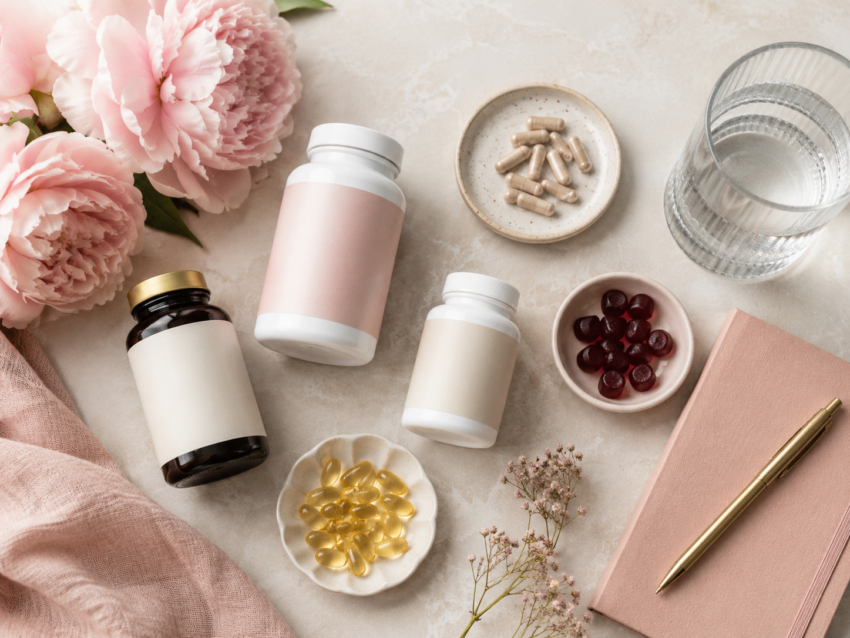
Let me say this right up front: once you hit your 40s, your body starts sending little “we need to talk” messages.
Energy changes. Sleep changes. Hormones start acting like they have a personal vendetta. Your joints may get a little louder. Your metabolism starts negotiating terms and conditions. And if you are anything like me, you start paying more attention to what you put in your body.
I will be 50 next year, so I have started taking multivitamins made for women over 50. I know I am not officially there yet, but I am close enough to see the sign on the highway.
I am also more intentional now about the vitamins and supplements I take. Not because I believe supplements are magic. They are not. Food, movement, sleep, water, blood work, and regular doctor visits still matter. But I do believe the right supplements can help fill some gaps, especially as we get older.
The key is knowing what your body needs and not just buying everything somebody on TikTok said changed their life.
Because let’s be honest, some of these people will recommend 17 supplements before breakfast and then disappear when your stomach starts doing the electric slide.
Why Women Over 40 May Need to Pay More Attention to Vitamins
Women over 40 are often dealing with changing hormones, perimenopause, heavier or irregular periods, sleep issues, stress, bone-health concerns, and changes in muscle mass. That does not mean every woman needs a cabinet full of supplements. It does mean we should be more intentional.
Medical experts generally recommend getting nutrients from food first when possible, but supplements may be helpful when your diet, age, medications, lifestyle, or lab results show a gap. The FDA does not approve dietary supplements for safety and effectiveness before they are marketed, so quality matters and it is smart to choose reputable brands when possible. (U.S. Food and Drug Administration)
This is also why yearly blood work matters. The CDC recommends regular medical checkups because they help with screenings, preventive care, and catching health issues early when they may be easier to treat. (CDC)
Personally, I like to know my numbers. I do not want to guess my way through midlife. I want data, not vibes.
What I Am Taking Right Now
Right now, I take a multivitamin for women over 50, vitamin D, collagen gummies, a plant-based omega supplement, ginkgo, a fiber supplement, a women’s probiotic, sea moss with other ingredients, vitamin B complex, and magnesium glycinate in the evening.
That sounds like a lot, and honestly, it is.
I may change my routine if I find something is not effective, if something does not agree with my body, or if I find combination supplements that allow me to take fewer pills. I prefer gummies, but I am thinking about moving away from gummies and switching more to capsules or tablets. Gummies are convenient, but they can also come with extra sugar, lower doses, or more “cute” than substance. And at this stage, I need results, not candy pretending to have a master’s degree.
Here is what medical experts commonly suggest women over 40 pay attention to, plus what I personally take.

1. Vitamin D
If I had to give up all of my supplements except one, I would probably keep vitamin D.
Vitamin D is important for bone health, immune function, muscle function, and overall wellness. The NIH says adults generally need 600 IU daily through age 70, and 800 IU after age 70. NIH also notes that blood levels of 20 ng/mL or higher are considered adequate for most people, while levels that are too high can cause health problems. (Office of Dietary Supplements)
As an African American woman, I pay special attention to vitamin D. Melanin can reduce the skin’s ability to make vitamin D from sunlight, and I also do not feel like I get enough from my diet. That is one reason vitamin D is so important to me.
I also believe vitamin D helps my body fight against ailments and may help with mood, especially during the winter months. I am not saying it is a cure for depression, because it is not. But I do think having healthy vitamin D levels can support overall health.
I usually take 5,000 IU a day, and some days I take 10,000 IU. I have not had any adverse reactions, and my blood work shows that I am in a healthy range. But this is where I need to be very clear: that is what I do based on my body and my lab results. The general adult upper limit listed by NIH is 4,000 IU per day unless a healthcare provider recommends otherwise, so please do not copy my dosage without talking to your doctor. (Office of Dietary Supplements)
Possible benefits: Bone health, immune support, muscle function, mood support, healthy vitamin D blood levels.
Common expert range: 600–800 IU daily for many adults, though some people may need more based on blood work and doctor guidance. (Office of Dietary Supplements)
My take: Vitamin D is my non-negotiable, but I strongly believe in checking blood levels.
2. A Women’s Multivitamin
Since I will be 50 next year, I have started taking a multivitamin for women over 50.
A multivitamin is not a replacement for eating well, but it can help fill some basic gaps. NIH notes that multivitamin/mineral supplements are widely used, with about one-third of U.S. adults taking one. (Office of Dietary Supplements)
For women over 40 and especially women moving toward 50, I like the idea of a multivitamin that pays attention to vitamin D, B vitamins, calcium, magnesium, zinc, and other nutrients that support aging, bones, energy, and overall health.
One thing to watch: many multivitamins for women over 50 contain little or no iron. That may be appropriate after menopause, but if you still have periods or have low iron, ask your doctor what is best for you. NIH lists the recommended iron intake for women ages 19–50 as 18 mg per day, but 8 mg per day for women 51 and older. (The Nutrition Source)
Possible benefits: Helps fill nutrition gaps, supports overall wellness, may provide age-specific nutrient support.
Common expert range: Follow the label and choose one that does not overload you with megadoses unless your doctor recommends it.
My take: This is my “cover the basics” supplement.
3. Calcium
Calcium is one of the big ones for women as we age because bone health becomes more important. Women are at higher risk of osteoporosis after menopause, and calcium works with vitamin D to support bones.
The Bone Health & Osteoporosis Foundation recommends 1,000 mg of calcium daily for women age 50 and younger and 1,200 mg daily for women age 51 and older, including calcium from food and supplements combined. (Bone Health & Osteoporosis Foundation)
This does not mean everybody needs to take a calcium pill. Some women get enough from food. Dairy, fortified plant milks, leafy greens, canned salmon or sardines with bones, tofu, and fortified foods can all contribute. Calcium supplements can also interact with some medications and may not be appropriate for everyone.
Possible benefits: Bone strength, muscle function, nerve function.
Common expert range: 1,000 mg daily for women 50 and younger; 1,200 mg daily for women 51 and older, from food plus supplements. (Bone Health & Osteoporosis Foundation)
My take: I would rather know how much I am getting from food before adding a separate calcium supplement.

4. Magnesium Glycinate
I take magnesium glycinate in the evening to help me sleep well.
Magnesium is involved in muscle and nerve function, blood sugar regulation, blood pressure regulation, and many other body processes. The recommended daily intake for women is generally 310–320 mg, depending on age, and NIH lists the upper limit for magnesium from supplements as 350 mg per day for adults. (Office of Dietary Supplements)
There are different types of magnesium. Magnesium glycinate is often used by people who want something gentle and calming. Magnesium citrate may help with constipation for some people, but it can also be more likely to send you to the bathroom with urgency. Choose wisely unless you enjoy living dangerously.
Possible benefits: Sleep support, muscle relaxation, nerve function, heart and bone health.
Common expert range: Women generally need 310–320 mg daily total magnesium; supplemental magnesium should usually stay at or below 350 mg unless your doctor advises otherwise. (Office of Dietary Supplements)
My take: I take magnesium glycinate at night because sleep is not optional anymore. At this age, bad sleep can ruin the whole next day.
5. Vitamin B12 and B Complex
I take a vitamin B complex for energy.
B vitamins help the body convert food into energy, and vitamin B12 is especially important for nerve and blood cell health. NIH says adults need 2.4 mcg of vitamin B12 daily. (Office of Dietary Supplements)
As we get older, some people absorb B12 less efficiently. People who eat little or no animal products, take certain acid-reducing medications, or have absorption issues may need extra B12. Harvard Health notes that people who eat a strict vegetarian diet or take a daily acid blocker should consider B12 supplementation. (Harvard Health)
Possible benefits: Energy metabolism, nerve health, red blood cell support, brain function.
Common expert range: 2.4 mcg daily for adults, though many supplements contain more because absorption varies. (Office of Dietary Supplements)
My take: I take B complex for energy support, but I still pay attention to how I feel. If something makes me jittery or off, I rethink it.
6. Omega-3s
I take a plant-based omega supplement. I chose that because I did not want to smell like fish or start having fish burps. That may not sound scientific, but it is real life.
Omega-3 fatty acids support heart, brain, eye, and overall health. The federal Dietary Guidelines recommend adults eat at least 8 ounces of seafood per week, including seafood higher in EPA and DHA. (NCCIH)
For people who do not eat fish or do not want fish oil, plant-based omega supplements may use algae oil. This can be a good option for people who want DHA/EPA without fish. Flax, chia, and walnuts provide ALA, another type of omega-3, but the body does not convert ALA to DHA and EPA very efficiently.
Possible benefits: Heart health, brain health, eye health, inflammation support.
Common expert range: Many omega supplements vary widely, so look at the actual EPA and DHA content, not just “fish oil” or “omega blend” on the front label.
My take: I prefer plant-based omega because I do not want fish burps. That is not vanity. That is quality of life.
7. Fiber Supplement
I take a fiber supplement, and I think fiber is one of those unglamorous things that can make a big difference.
Fiber supports digestion, regularity, blood sugar control, cholesterol levels, and fullness. Mayo Clinic lists the daily fiber recommendation as 25 grams for women age 50 or younger and 21 grams for women older than 50. (Mayo Clinic)
Of course, food should come first when possible. Vegetables, beans, lentils, berries, oats, chia seeds, flaxseeds, and whole grains are great sources. But a supplement can help if you struggle to get enough.
Start slow with fiber. Do not jump from barely any fiber to a full scoop like you are auditioning for a digestive Olympics. Increase gradually and drink plenty of water.
Possible benefits: Digestion, regularity, cholesterol support, blood sugar support, fullness.
Common expert range: 25 grams daily for women 50 and younger; 21 grams daily for women over 50. (Mayo Clinic)
My take: Fiber is not flashy, but it matters.
8. Women’s Probiotic
I definitely take a women’s probiotic.
For me, probiotics are about supporting gut health and vaginal health. And yes, I will say it plainly: I want my gut and my vajayjay healthy. We are grown over here.
Probiotics are live microorganisms that may support the balance of good bacteria in the gut and other areas of the body. NCCIH says probiotic supplements may be useful in some situations, but people should not use probiotics as a reason to delay seeing a healthcare provider. NCCIH also recommends talking with a healthcare provider before taking probiotic supplements, especially if you have health problems. (NCCIH)
Also, the FDA has not approved health claims for probiotics, so be careful with brands that promise too much. (NCCIH)
Possible benefits: Gut health, digestion, vaginal flora support, regularity, immune support.
Common expert range: Probiotic dosages vary by strain and product. Look for CFUs, strain names, expiration date, and whether the product is third-party tested.
My take: I like women’s probiotics, but I do not trust anything that claims it fixes every problem from bloating to bad relationships.
9. Collagen
I have started taking a collagen gummy.
Collagen is popular for skin, hair, nails, joints, and aging support. But this is one area where I want to be honest: the evidence is still evolving. Mayo Clinic says there is not strong evidence that over-the-counter oral or topical collagen supplements reverse aging. (Mayo Clinic News Network)
That does not mean collagen is useless. It means we should keep our expectations reasonable. Collagen may support skin hydration or joint comfort for some people, but it is not going to rewind the clock and have us looking like our high school graduation picture by Friday.
Also, collagen is not plant-based. True collagen comes from animal sources. Some “vegan collagen” products contain nutrients that support collagen production, like vitamin C or amino acids, but they do not contain actual collagen.
Possible benefits: Skin support, joint comfort, hair/nail support, aging support.
Common expert range: Studies on hydrolyzed collagen often use a wide range, commonly several grams per day, but the right amount depends on the product and purpose.
My take: I am trying collagen gummies now, but I may switch forms or stop if I do not notice a benefit.
10. Ginkgo Biloba
I take ginkgo, but this is one I would tell people to be careful with.
Ginkgo is often marketed for memory, focus, and circulation. But research is mixed. Mayo Clinic says research does not support taking ginkgo to prevent or slow dementia or cognitive decline. (Mayo Clinic)
The biggest caution with ginkgo is bleeding risk. NCCIH says ginkgo may increase bleeding risk in people taking anticoagulant medications such as warfarin and may interact with other drugs. (NCCIH)
So this is not one to casually add if you are on blood thinners, aspirin therapy, certain antidepressants, surgery is coming up, or you have any bleeding concerns.
Possible benefits: May support circulation or focus for some people, but evidence is mixed.
Common expert range: Dosages vary widely by product and purpose; check with your doctor or pharmacist first.
My take: I take it, but I would not tell everyone to run out and buy it without checking medication interactions.
11. Sea Moss
I also take sea moss with a bunch of other ingredients.
Sea moss has become very popular, especially in wellness spaces. It may contain iodine, fiber, minerals, and other nutrients, but the quality and nutrient content can vary. Cleveland Clinic notes that sea moss may offer potential benefits for heart, gut, immune, and thyroid health, but also advises checking with a healthcare provider before taking it. One concern is iodine, especially for people with thyroid conditions. (Cleveland Clinic)
Cleveland Clinic also mentions that one study found 4 grams of sea moss per day was typically safe, but people should still check with a healthcare provider before taking it. (Cleveland Clinic)
This is another supplement where I pay attention to how my body responds. Natural does not automatically mean safe. Poison ivy is natural too, and nobody is putting that in a smoothie on purpose.
Possible benefits: May support gut health, mineral intake, iodine levels, and immune health.
Common expert range: Around 4 grams per day has been described as typically safe in one study, but check with your healthcare provider, especially if you have thyroid issues. (Cleveland Clinic)
My take: I take it, but I would be cautious if you have thyroid concerns or take thyroid medication.
12. Iron — Only If You Need It
Iron is important, especially for women who still have periods, have heavy cycles, or have a history of anemia. But iron is not something I believe people should take casually.
Too much iron can be harmful, and many women over 50 do not need extra iron unless their doctor says they do. Harvard’s vitamin and mineral table lists women ages 19–50 as needing 18 mg per day and women 51+ as needing 8 mg per day. (The Nutrition Source)
Possible benefits: Energy, red blood cell production, oxygen transport.
Common expert range: 18 mg daily for women 19–50; 8 mg daily for women 51 and older, unless a doctor recommends otherwise. (The Nutrition Source)
My take: Get blood work before taking iron. This is not one to guess on.

My Current Supplement Routine
Here is what I am currently taking:
- A women’s multivitamin for women over 50.
- Vitamin D, usually 5,000 IU daily and some days 10,000 IU, based on my own body and blood work.
- Collagen gummies.
- A plant-based omega supplement.
- Ginkgo.
- Fiber supplement.
- Women’s probiotic.
- Sea moss with other ingredients.
- Vitamin B complex for energy.
- Magnesium glycinate in the evening for sleep.
- Tumeric
Again, this is my routine right now. It may change. If something does not agree with my body, I stop or adjust. If something does not seem effective, I may replace it. If I find a good combination supplement that keeps me from taking so many different things, I may switch.
I am not trying to win an award for most bottles on the counter.
Gummies vs. Capsules: What I’m Thinking Now
I like gummies because they are easy. They feel less intimidating than pills, and they are convenient.
But I am starting to rethink that.
Gummies can be lower in nutrients, higher in sugar, and easier to overtake because they taste good. Some also do not include certain minerals well because minerals can affect taste and texture.
So I think I may start moving more toward capsules, tablets, powders, or liquid supplements when it makes sense. Not because gummies are bad, but because I want to be more intentional.
At this age, “it tastes cute” cannot be the whole wellness plan.
My Biggest Advice for Women Over 40
Before buying a bunch of supplements, get your blood work done.
Ask your doctor about vitamin D, B12, iron/ferritin, thyroid, A1C, cholesterol, kidney function, liver function, and anything else that makes sense based on your health history. Regular checkups help with preventive care and screenings, and your doctor can help you decide which tests are appropriate for you. (CDC)
Also, tell your doctor and pharmacist what supplements you take. This matters because supplements can interact with medications. Ginkgo, magnesium, calcium, iron, omega-3s, and herbal blends can all be an issue depending on your prescriptions and health conditions.
We are not doing secret supplement lives in 2026. Tell the doctor.
Final Thoughts
Women over 40 do not need to panic, but we do need to pay attention.
Our bodies are changing. Our hormones are changing. Our sleep, energy, bones, metabolism, digestion, and mood may need more support than they used to.
For me, supplements are part of my wellness routine, but they are not the whole routine.
- I still need to eat better.
- I still need to move my body.
- I still need to drink water.
- I still need to lift weights.
- I still need to sleep.
- I still need to get blood work.
- And I still need to listen to my body.
The best vitamin routine is not the one with the most bottles. It is the one that actually supports your body, fits your life, works with your doctor’s guidance, and makes sense for your health goals.
I do what is best for my body, and I encourage you to do the same.
Not what is trendy.
Not what your cousin’s coworker’s neighbor swears cured everything.
What is best for you.
Affiliate Disclosure: This post may contain affiliate links. If you purchase through my links, I may earn a small commission at no extra cost to you. I only share products I personally use, would try, or believe may be helpful to my readers.
Medical Disclaimer: I am not a doctor, nurse, pharmacist, dietitian, or medical professional. This post is for informational and personal-experience purposes only. It is not medical advice. Please talk to your doctor before starting, stopping, or changing any vitamin, supplement, medication, or dosage. I also believe women should have blood work done at least once a year, or as often as their doctor recommends, so they know what their body actually needs.